
Dental Bonding
Dental bonding is a quick, affordable way to repair chips, close gaps, and improve your smile. Using tooth-colored resin, your dentist shapes and polishes teeth for natural-looking results, typically in a single visit with minimal discomfort and no downtime.
Dental Bonding in Acworth, GA
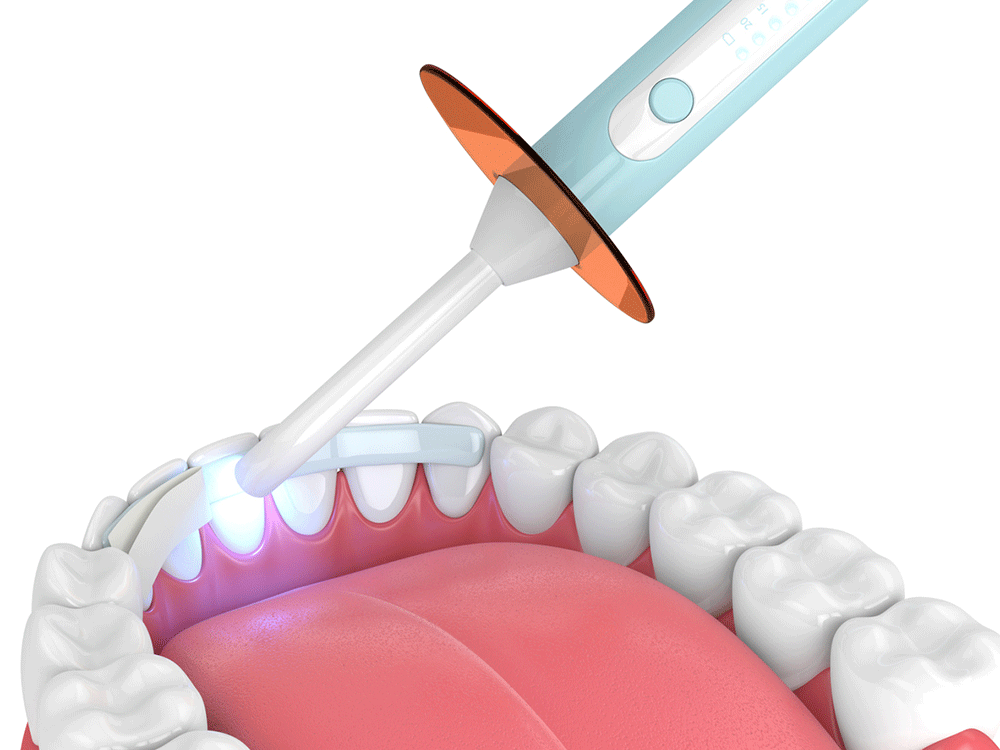
Dental bonding is a simple, affordable cosmetic procedure that improves the appearance of your smile. During treatment, your dentist applies a tooth-colored resin to the surface of a tooth, carefully shaping and polishing it to blend naturally with your existing teeth. Bonding can repair chips and cracks, close small gaps, cover discoloration, and even reshape uneven teeth.
The process is typically completed in one visit. It requires little to no enamel removal, making it a quick, comfortable option for enhancing confidence in your smile for patients of all ages.
-
How does dental bonding compare to veneers?
Dental bonding and veneers both improve the look of your smile, but they differ in materials, durability, and cost. Bonding uses tooth-colored resin applied directly and shaped in one visit, making it quicker and more affordable. Veneers are thin porcelain shells custom-made for long-lasting, stain-resistant results. While bonding is great for minor fixes, veneers offer greater strength and a more dramatic transformation. Your dentist can help you choose the best option.
-
How long does dental bonding last?
Dental bonding can last several years. On average, bonding lasts between 3 and 10 years, depending on habits like brushing, diet, and avoiding hard or staining foods. Regular dental checkups and good oral hygiene help extend its lifespan, keeping your bonded teeth looking natural, strong, and healthy for as long as possible with consistent daily care.
-
Does dental bonding hurt?
Dental bonding is a quick, minimally invasive procedure that typically does not hurt. In most cases, anesthesia isn’t needed because little to no tooth structure is removed. You may feel slight pressure or sensitivity during the process, but discomfort is rare. Afterward, your tooth might be temporarily sensitive to temperature, which usually fades quickly. Your dentist will ensure you stay comfortable throughout the visit.
Learn More About Dental Bonding
If you have more questions about dental bonding and how it works, or to schedule a visit, contact us today.